Thrive and Shine Women's Wellness
Back Pain and Core Function
Physiotherapy support for back pain, posture, strength and core function — including during pregnancy, postnatal recovery and menopause.
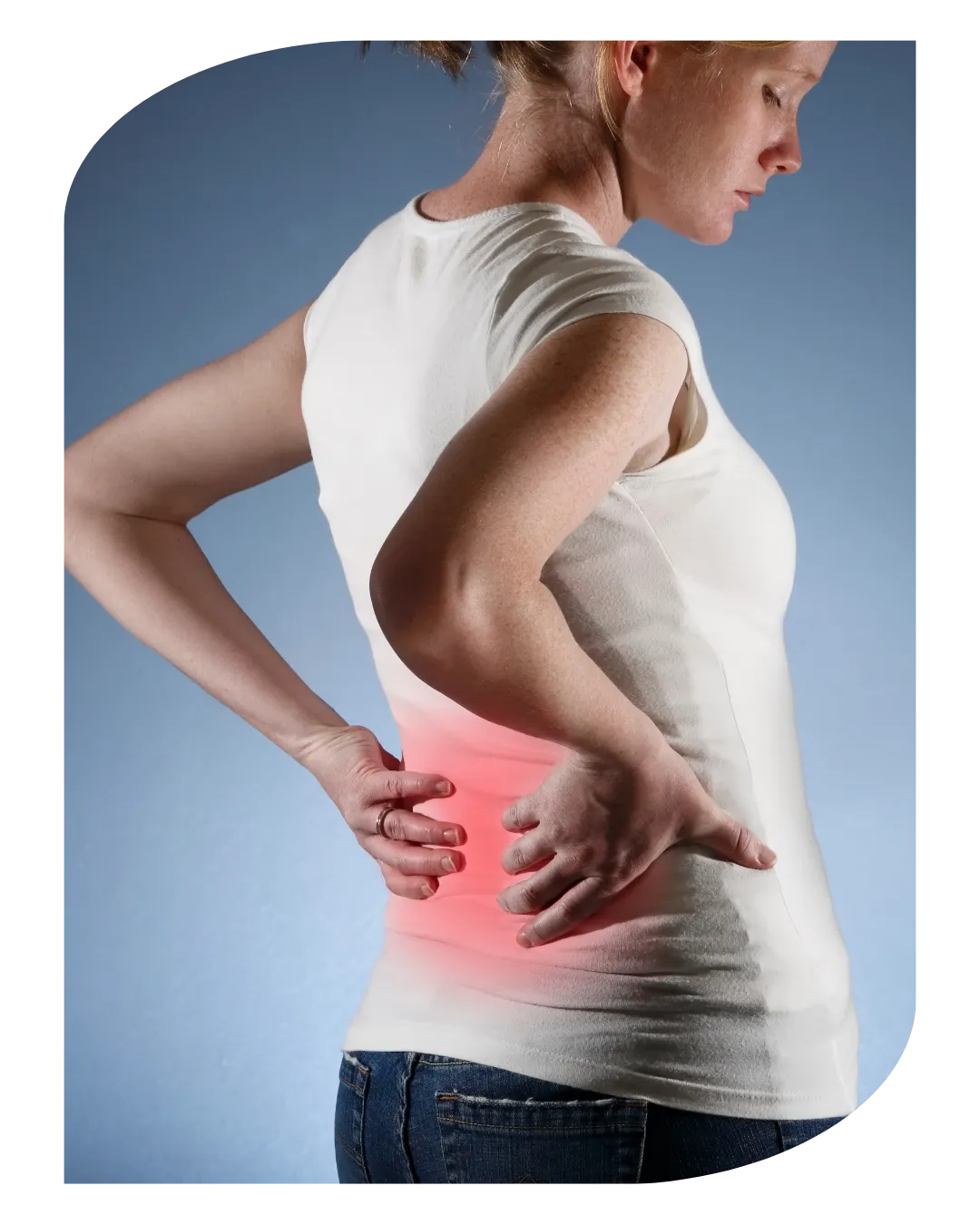
Back pain is extremely common and can affect women at many stages of life. Symptoms may develop gradually or appear after pregnancy, surgery, menopause, changes in activity levels, or periods of stress or inactivity.
In many cases, back pain is not caused by one single factor. It often reflects a combination of posture, strength, movement patterns, joint or muscle stiffness, lifestyle demands, and how the body is coping overall. Core function matters because it helps manage load through the spine and pelvis — particularly during times of physical change.
Common patterns of back pain and contributing factors
Back pain can present in different ways, and more than one factor may be contributing at the same time. Understanding your symptom pattern helps guide treatment, but you do not need a specific diagnosis to seek physiotherapy support.
Mechanical back pain
This is one of the most common patterns of back pain and relates to how the spine, joints, muscles and connective tissues are working together. Symptoms often fluctuate and may be aggravated by bending, lifting, prolonged sitting, or certain postures.
Reduced strength and endurance through the trunk, hips and legs commonly contributes by increasing strain through the lower back.
Reduced core function
Core weakness or reduced coordination does not usually cause “core pain”, but it can contribute to back pain by reducing support and load management through the trunk and pelvis.
This is common:
- During or after pregnancy
- Following abdominal or pelvic surgery
- With diastasis recti (abdominal separation)
- During menopause
- After periods of inactivity or persistent pain
People often describe aching in the lower back, fatigue with activity, discomfort when lifting or carrying, or a feeling of weakness or instability through the trunk.
Disc-related or degenerative back pain
Some back pain is linked to changes in the spinal discs or age-related joint changes. This may include stiffness, localised pain, or pain that worsens with certain movements or positions.
These changes are common and do not always explain pain levels on their own. Strength, graded activity, and confidence with movement are often key parts of recovery.
Referred or nerve-related pain
Sometimes pain can spread into the hips or legs, and may be associated with symptoms such as pins and needles or altered sensation. This can be influenced by the back itself, surrounding tissues, and how the body is moving and loading.
Back and joint pain during menopause
Hormonal changes can affect joint health, muscle recovery, tissue resilience and pain sensitivity. This may contribute to new or worsening back, hip or general joint pain, sometimes alongside fatigue, poorer sleep, or reduced exercise tolerance.
How physiotherapy can help with back pain
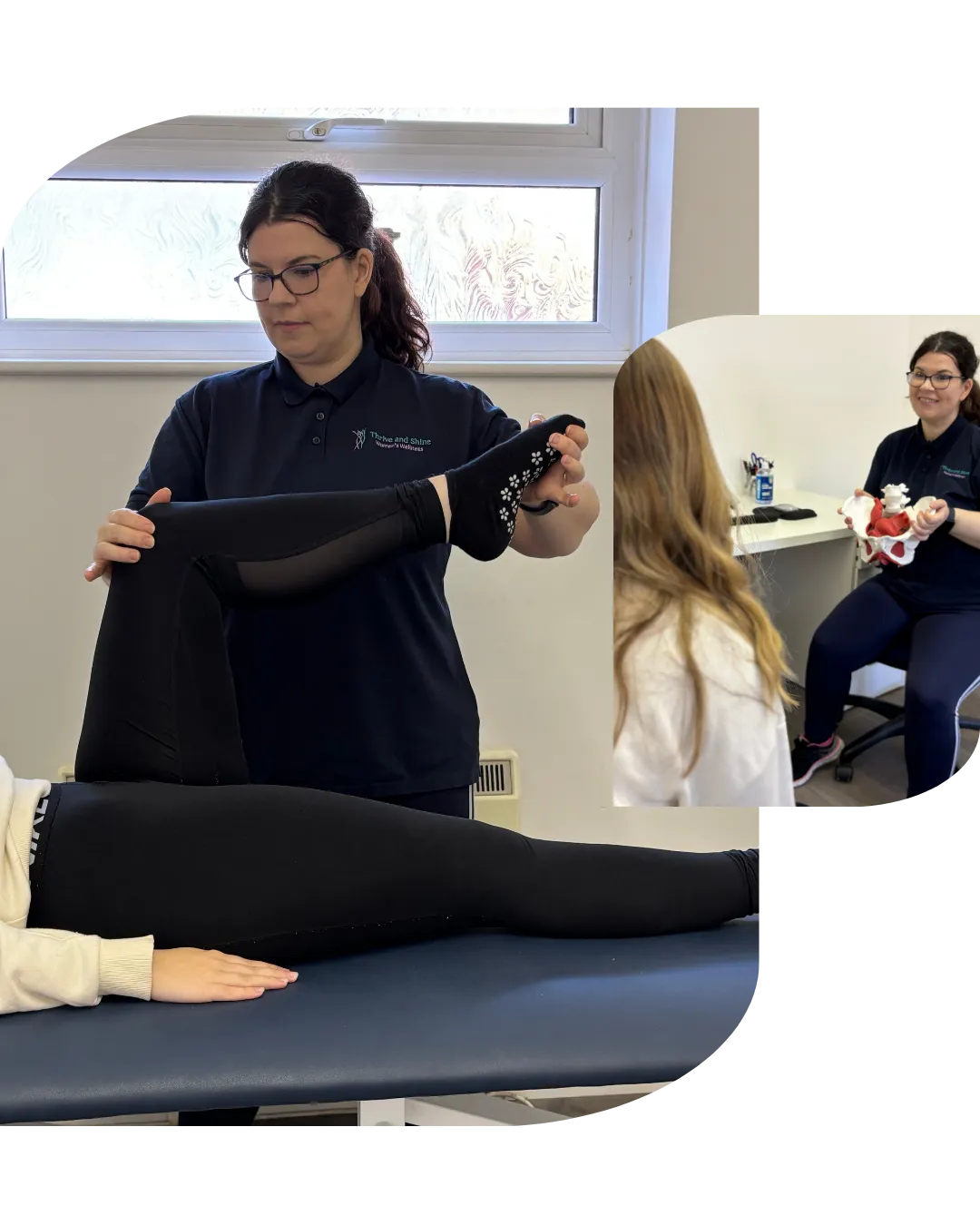
Physiotherapy focuses on identifying why symptoms are persisting and what is contributing to pain, rather than treating one structure in isolation. Support is tailored to you and may include:
Assessment of posture, movement patterns and load tolerance
Targeted strengthening (including core, hips and lower body)
Progressive rehabilitation to rebuild confidence with activity
Hands-on treatment for joints and soft tissues where helpful
Addressing contributing stiffness through the hips, pelvis or upper back
Pilates-based rehabilitation where appropriate
Guidance on pacing, daily activity, exercise progression, and lifestyle factors that influence pain
Where relevant, treatment may also consider recovery after pregnancy or surgery, diastasis recti, pelvic health symptoms, hormonal change, and the impact of stress and sleep on pain.
Next steps
Physiotherapy can help whether your back pain is recent, long-standing, mild, or affecting daily life. You do not need to be certain about the cause of your pain to seek support — an assessment can help clarify what is contributing and what is most likely to help.
Appointments take place at the clinic in Winscombe, supporting clients across North Somerset and the surrounding Somerset area.
If you’re unsure which appointment is right for you, you’re welcome to get in touch to discuss your options.
Stay Connected
Join our community for women’s health tips, clinic updates, and early access to workshops and courses.
Get in Touch
Thrive and Shine Women's Wellness Studio
Corner House
Woodborough Road
Winscombe
BS25 1AQ
07862620259


Thrive and Shine Women’s Wellness provides Physiotherapy, Pilates, menopause support, and remedial hypnosis / CONTROL method for women across Winscombe, Weston-super-Mare, Cheddar, Axbridge, and North Somerset.
© Copyright 2026. Thrive and Shine Women's Wellness. All rights reserved.