Thrive and Shine Women's Wellness
Pelvic Health Conditions
Common pelvic health symptoms affecting the bladder, bowel, pelvic floor, sexual health and pelvic pain.
Understanding Pelvic Health
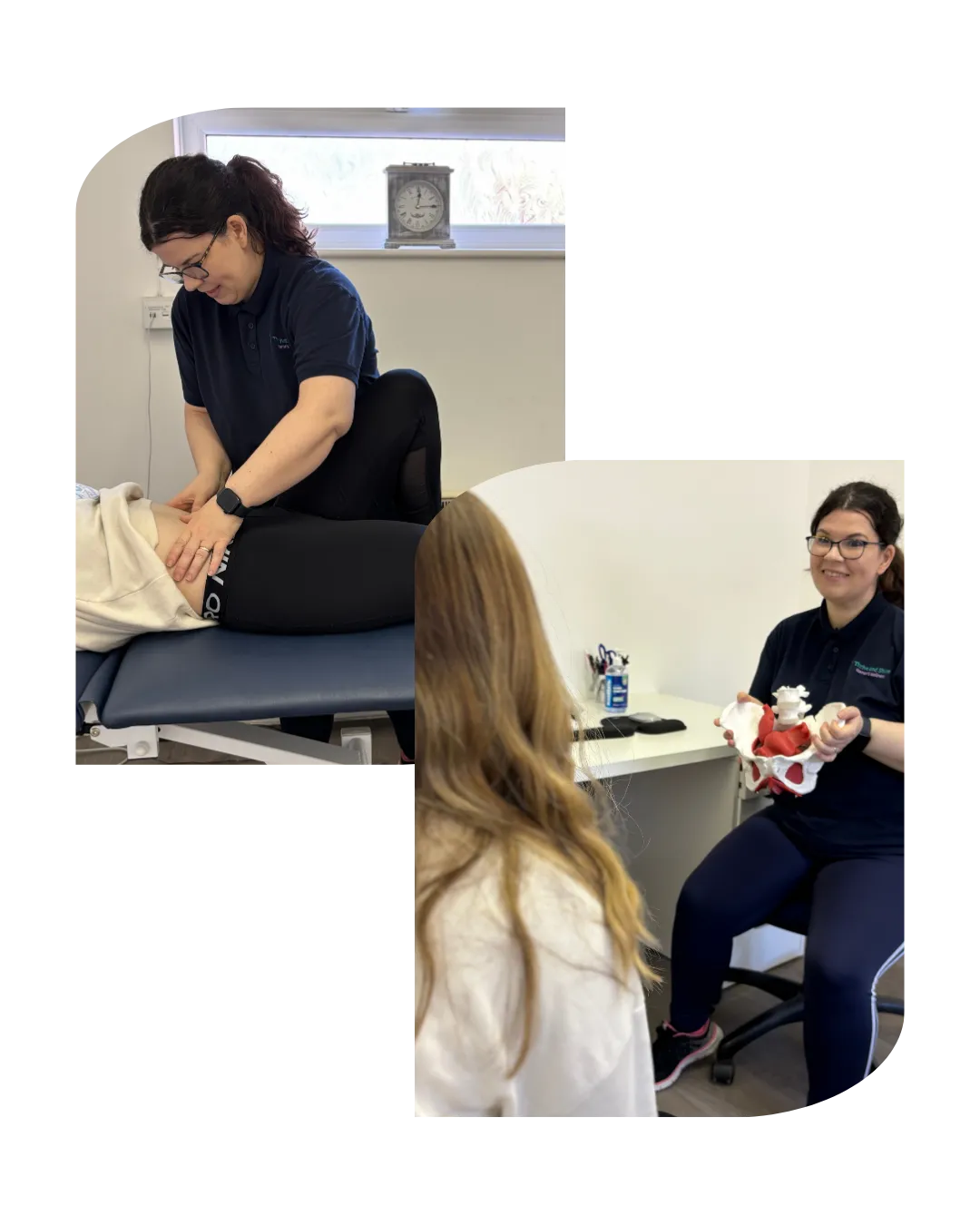
Pelvic health covers a wide range of symptoms that can affect women at different stages of life. These symptoms are often linked to how the pelvic floor muscles, surrounding joints, connective tissues, and nervous system are working together.
Many women aren’t sure whether what they’re experiencing is a pelvic health issue, particularly when symptoms overlap or change over time. This page provides an overview of common pelvic health conditions and links to more detailed information where relevant.
Condition Overview
Pelvic health conditions can present in different ways. Below are some of the most common pelvic health issues and symptoms that may benefit from assessment and support.
Incontinence
Bladder or bowel leakage, urgency, or difficulty holding on. Symptoms may occur with coughing, sneezing, laughing, or exercise, or when you feel a sudden need to go to the toilet and struggle to hold it.
Pelvic Organ Prolapse
A feeling of heaviness, pressure, or bulging in the vaginal area. Symptoms may change throughout the day and are often more noticeable with standing, lifting, or prolonged activity.
Pelvic Pain
Pain felt in the pelvis, coccyx, vaginal area, lower abdomen, hips, or around the pelvic floor. Symptoms may be ongoing or intermittent and can be linked to movement, bladder or bowel function, or hormonal changes.
Painful Intercourse
Pain during or after sex, including discomfort with penetration or deep pelvic pain. Symptoms may be linked to pelvic floor muscle tension, tissue sensitivity, scarring, or hormonal changes.
Menopause-Related Pelvic Health
Hormonal changes during perimenopause and menopause can affect pelvic floor function and tissue comfort. Symptoms may include bladder or bowel changes, pelvic discomfort, or pain during sex.
Endometriosis-Related Pelvic Symptoms
Endometriosis can be associated with pelvic pain that affects daily life. Symptoms may include painful periods, pain with movement or activity, and discomfort involving the bladder, bowel, or pelvic floor.
Bowel & Bladder Emptying Issues
Difficulty emptying the bladder or bowels, constipation, straining, or a feeling of incomplete emptying. These symptoms are often related to pelvic floor coordination and pressure management.
Pelvic Floor Dysfunction
Pelvic floor muscles may be weak, overactive, or poorly coordinated. This can contribute to symptoms such as incontinence, pelvic pain, painful intercourse, or difficulty emptying the bladder or bowels.
Vulval & Vaginal Pain
Pain, discomfort, or sensitivity around the vulval or vaginal area. Symptoms may be persistent or activity-related and can affect daily comfort, movement, or sexual activity.
Not sure which condition fits best?
Pelvic health symptoms often overlap, and it’s common to experience more than one issue at the same time. Symptoms can also change over time or feel difficult to categorise. You don’t need to know exactly what the problem is before seeking support — assessment helps clarify what’s contributing to your symptoms and what options may be helpful.

Ready to Take the Next Step?
If you’re experiencing pelvic health symptoms, the first step is a pelvic health physiotherapy assessment to understand what’s going on and what support you need.
Appointments take place in clinic in Winscombe.
You don’t need to know exactly what the problem is before booking — assessment helps clarify what’s contributing to your symptoms.
Stay Connected
Join our community for women’s health tips, clinic updates, and early access to workshops and courses.
Get in Touch
Thrive and Shine Women's Wellness Studio
Corner House
Woodborough Road
Winscombe
BS25 1AQ
07862620259


Thrive and Shine Women’s Wellness provides physiotherapy for women, including support during menopause and midlife, helping with pelvic health, joint pain, stiffness and movement changes. Based in Winscombe, supporting clients across Weston-super-Mare, Cheddar, Axbridge and North Somerset.
Also offering pregnancy and postnatal support, Pilates, and remedial hypnosis (CONTROL Method).
© Copyright 2026. Thrive and Shine Women's Wellness. All rights reserved.