
Thrive and Shine Women's Wellness
Painful Intercourse Physiotherapy in North Somerset
Specialist women’s health physiotherapy support for pain during or after sex
What is painful intercourse?
Painful intercourse, also known as dyspareunia, refers to pain experienced before, during, or after sexual intercourse. Pain may be felt at the entrance of the vagina, deeper within the pelvis, or persist after sexual activity.
Painful intercourse can affect women at different stages of life and may develop gradually or follow events such as childbirth, pelvic surgery, hormonal changes, or periods of ongoing pain or stress.
Conditions commonly linked with painful intercourse
Painful intercourse may be associated with a range of factors or conditions, including:
Pelvic floor muscle tension or overactivity
Perineal scarring following childbirth or surgery
Hormonal changes, including perimenopause or menopause
Bladder or bowel-related pelvic pain
Musculoskeletal issues involving the hips, pelvis, or lower back
In some cases, painful intercourse may be influenced by more than one of these factors at the same time.
Common symptoms associated with painful intercourse
Symptoms can vary and may include one or more of the following:
Pain at the vaginal opening with penetration
Deep pelvic pain during or after intercourse
Burning, stinging, or sharp pain
A feeling of tightness or resistance
Pain that lingers after sex
Reduced comfort or confidence with intimacy
Pelvic, bladder, bowel, or lower back discomfort alongside sexual pain
Anxiety or fear around penetration or intimacy

How physiotherapy can help with painful intercourse
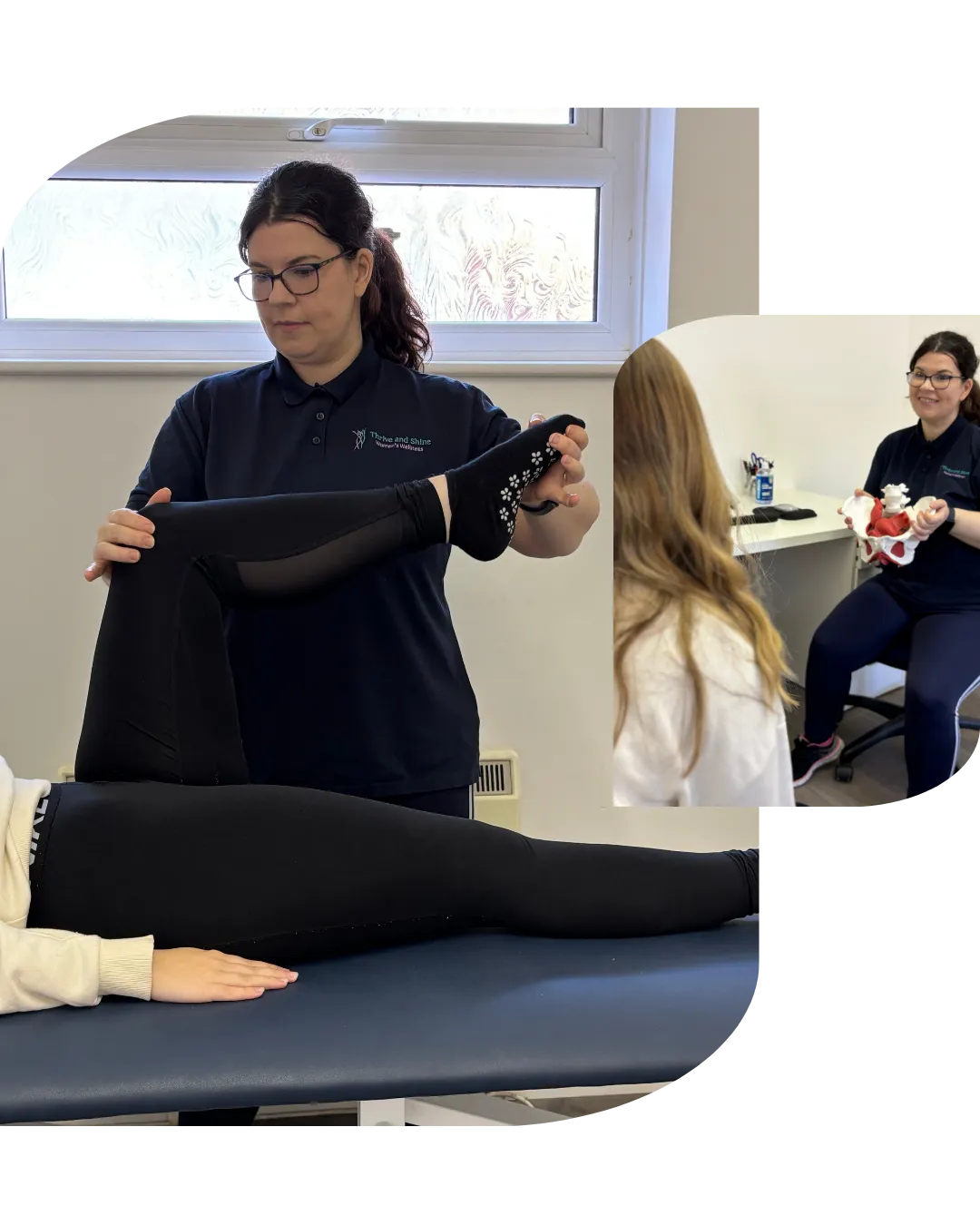
Women’s health physiotherapy approaches painful intercourse by considering the pelvic floor, musculoskeletal system, and wider physical and lifestyle factors together. Pain is rarely caused by one issue alone, and support focuses on identifying and addressing contributing factors.
Physiotherapy support may include:
Assessment of pelvic floor muscle tone, control, and coordination
Support to reduce pelvic floor muscle tension or overactivity
Hands-on treatment to address soft tissue sensitivity or restriction
Scar assessment and treatment where relevant
Mobilisation of joints where stiffness or restriction contributes to pain
Assessment and treatment of related musculoskeletal issues, such as hip or back pain
Guidance around posture, breathing, and movement patterns
Support with pacing, confidence, and gradual return to intimacy
Consideration of wider factors such as stress, sleep, and hormonal influences
Support is always tailored to the individual, based on symptoms, contributing factors, and personal goals.
When to seek support
You may wish to seek support if pain during intercourse is affecting your comfort, relationships, confidence, or quality of life, or if symptoms feel persistent or difficult to manage.
Painful intercourse is not something that has to be accepted as normal, and support can be helpful whether symptoms are recent or longer-standing.
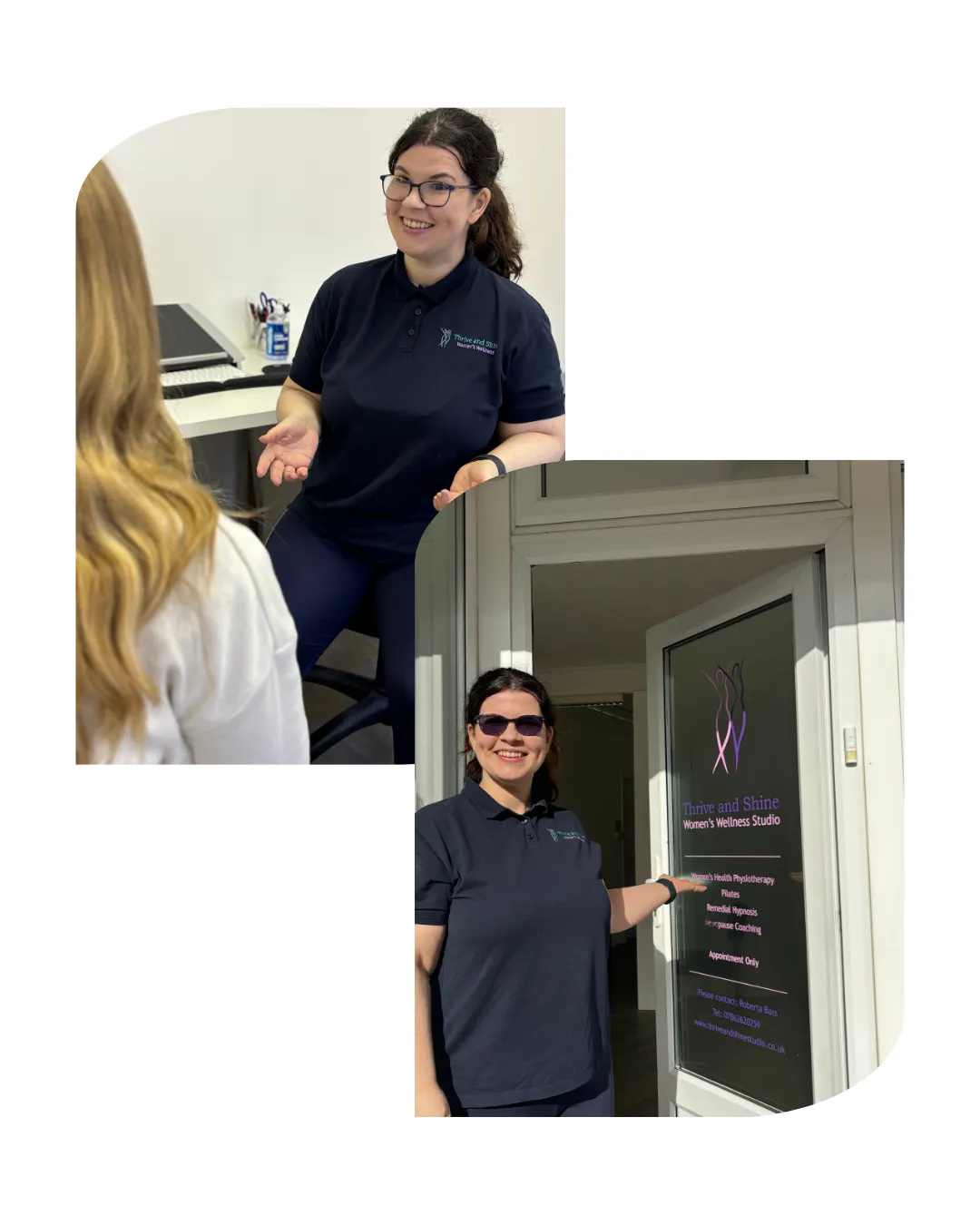
Appointments take place at the clinic in Winscombe, supporting women across North Somerset.
Book an appointment
If you are experiencing pain during or after intercourse, a women’s health physiotherapy appointment provides the opportunity to discuss your concerns in a safe, supportive environment and explore appropriate next steps.
If you’re unsure whether this is the right appointment for you, you’re welcome to get in touch to discuss your options.
Stay Connected
Join our community for women’s health tips, clinic updates, and early access to workshops and courses.
Get in Touch
Thrive and Shine Women's Wellness Studio
Corner House
Woodborough Road
Winscombe
BS25 1AQ
07862620259


Thrive and Shine Women’s Wellness provides physiotherapy for women, including support during menopause and midlife, helping with pelvic health, joint pain, stiffness and movement changes. Based in Winscombe, supporting clients across Weston-super-Mare, Cheddar, Axbridge and North Somerset.
Also offering pregnancy and postnatal support, Pilates, and remedial hypnosis (CONTROL Method).
© Copyright 2026. Thrive and Shine Women's Wellness. All rights reserved.