
Free Resources
Free guides and resources
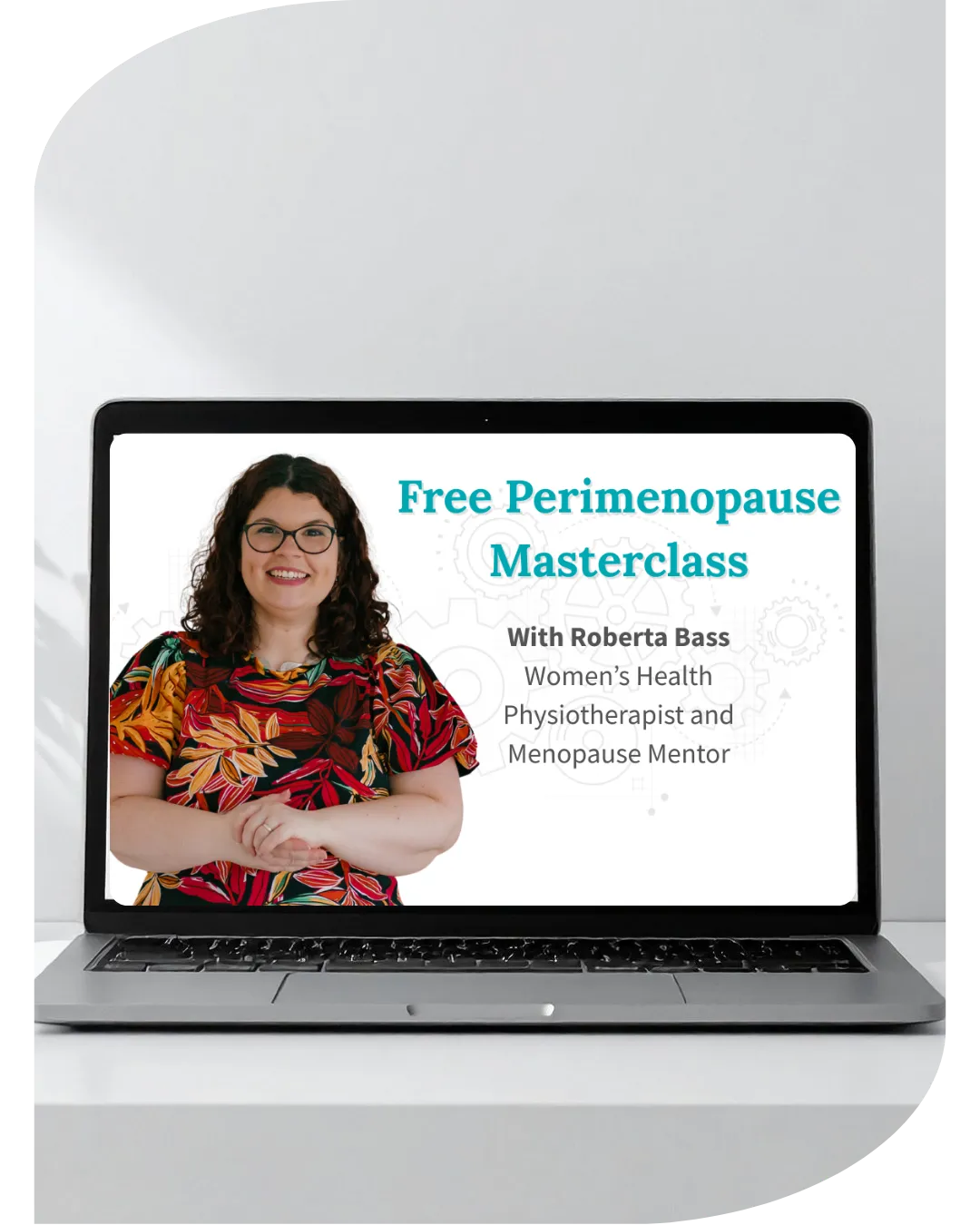
Add Subtext text. Click "Edit Text" to update the font, size and more.
To change and reuse text themes, go to Site Styles.
Add Subtext text. Click "Edit Text" to update the font, size and more.
To change and reuse text themes, go to Site Styles.
Add Subtext text. Click "Edit Text" to update the font, size and more.
To change and reuse text themes, go to Site Styles.

Add Subtext text. Click "Edit Text" to update the font, size and more.
To change and reuse text themes, go to Site Styles.
Add Subtext text. Click "Edit Text" to update the font, size and more.
To change and reuse text themes, go to Site Styles.
Add Subtext text. Click "Edit Text" to update the font, size and more.
To change and reuse text themes, go to Site Styles.
Making Sense of Menopause Podcast
Blog

Why Anxiety Can Feel Worse During Perimenopause
Many women are surprised when anxiety suddenly appears during perimenopause — especially if they’ve never struggled with anxiety before.
You may suddenly feel nervous driving, overwhelmed in busy places, or wake up with a racing mind first thing in the morning. For some women, even everyday situations begin to feel more difficult.
The good news is that this is incredibly common during perimenopause and menopause, and there are genuine hormonal and nervous system reasons behind it.
Why Does Perimenopause Cause Anxiety?
During perimenopause, hormone levels fluctuate significantly. Two hormones that particularly affect mood and the nervous system are progesterone and oestrogen.
Progesterone is often known as the “calming” hormone. As progesterone levels gradually decline during perimenopause, many women notice they feel less resilient to stress and more emotionally reactive.
At the same time, fluctuating oestrogen levels can affect mood, sleep, brain function and stress responses.
Cortisol — one of the body’s main stress hormones — can also become elevated, especially if you are dealing with poor sleep, work stress, caring responsibilities, or ongoing overwhelm.
Together, these changes can leave the nervous system feeling constantly “on edge”.
Common Anxiety Symptoms During Menopause
Perimenopause anxiety can show up in many different ways, including:
Morning anxiety
Driving anxiety
Feeling overwhelmed easily
Panic symptoms
Racing thoughts
Feeling emotionally reactive
Tight muscles or jaw clenching
Poor sleep and nighttime waking
Fear of situations that never used to bother you
Many women also become anxious about the physical sensation of anxiety itself. For example, noticing a racing heart or fast breathing can trigger even more anxiety.
The Link Between Sleep and Anxiety
Sleep and anxiety often become a vicious cycle during menopause.
Poor sleep increases cortisol and nervous system sensitivity, which then makes anxiety worse. Anxiety itself can then make it harder to fall asleep or stay asleep.
Supporting sleep can therefore have a major impact on anxiety levels.
Helpful strategies may include:
Reducing stimulation before bed
Gentle stretching or yoga
Guided relaxation or hypnosis
Journaling or “mind dump” exercises
Limiting caffeine late in the day
Creating a consistent sleep routine
How to Calm the Nervous System During Perimenopause
Many women try to simply “push through” anxiety symptoms, but nervous system support is essential during this stage of life.
Some helpful strategies include:
Regular movement and exercise
Breathing exercises
Pilates or yoga
Stress management techniques
Creative activities
Reducing overwhelm where possible
Spending time outdoors
Addressing subconscious fear patterns
The key is consistency rather than perfection.
Subconscious Patterns and Fear
Sometimes anxiety becomes linked to subconscious patterns or learned fear responses.
For example, a woman may suddenly become anxious driving after one stressful experience, and the subconscious mind begins associating driving with danger.
This is where subconscious-focused approaches such as CONTROL sessions, journaling, mindset work, or guided support can help retrain those responses.
You Don’t Have to “Just Put Up With It”
One of the biggest problems women face during menopause is feeling dismissed or believing they simply have to tolerate these symptoms.
You don’t.
Understanding what is happening in the body and nervous system is often the first step toward making positive changes.
If you are struggling with menopause anxiety, nervous system overwhelm, or stress-related symptoms, support is available.
Listen to the Full Podcast Episode
This article is based on a recent episode of Making Sense of Menopause where I discuss why anxiety can suddenly feel worse during perimenopause, how hormones affect the nervous system, and practical ways to start calming anxiety naturally.
🎧 Listen here:
Why Am I Suddenly So Anxious During Perimenopause?

Stay Connected
Join our community for women’s health tips, clinic updates, and early access to workshops and courses.
Get in Touch
Thrive and Shine Women's Wellness Studio
Corner House
Woodborough Road
Winscombe
BS25 1AQ
07862620259


Thrive and Shine Women’s Wellness provides physiotherapy for women, including support during menopause and midlife, helping with pelvic health, joint pain, stiffness and movement changes. Based in Winscombe, supporting clients across Weston-super-Mare, Cheddar, Axbridge and North Somerset.
Also offering pregnancy and postnatal support, Pilates, and remedial hypnosis (CONTROL Method).
© Copyright 2026. Thrive and Shine Women's Wellness. All rights reserved.