
Thrive and Shine Women's Wellness
Physiotherapy for Women in Perimenopause and Beyond
If your body feels different — more aches, stiffness, pelvic symptoms or changes in strength, balance or confidence — you’re not imagining it, and you don’t have to just put up with it.

Your body can feel very different during this stage of life
Many women notice new or ongoing issues during perimenopause and beyond — joint pain, stiffness, pelvic symptoms, or a general sense that their body isn’t responding the way it used to.
You might feel more achy, less strong, or less confident in your movement or balance.
It’s often unclear what’s causing these changes or what will actually help.
The key thing to know is this:
These symptoms are common — but they are not something you just have to accept.
With the right assessment and plan, things can improve.
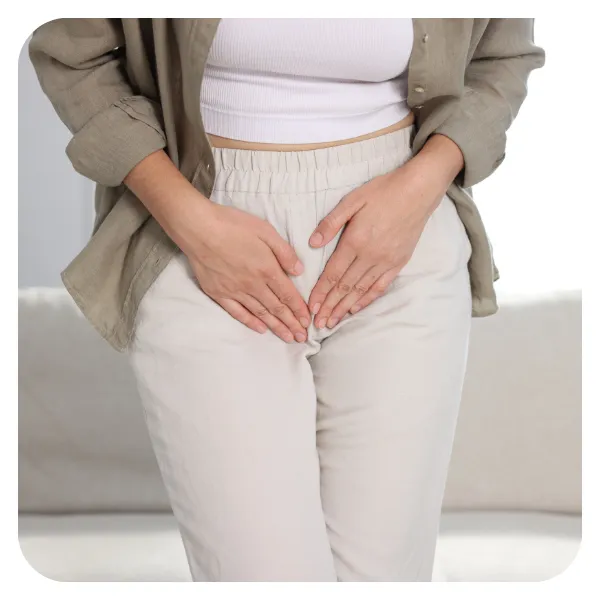
Does this sound like you?
Ongoing joint pain or stiffness
Aches that don’t fully settle
Feeling less strong than you used to
Changes in balance or confidence
Pelvic health symptoms such as leaking, heaviness or discomfort
Changes or discomfort during intercourse
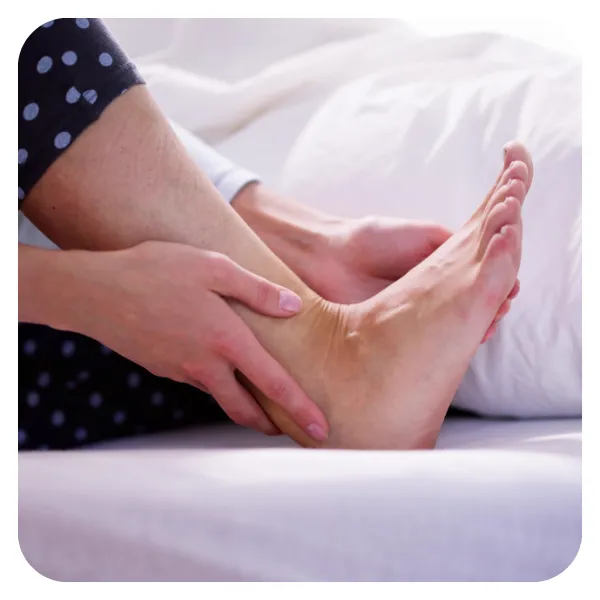
What’s actually going on
During perimenopause and after menopause, hormonal changes affect:
muscles
joints
tendons
pelvic tissues
This can lead to slower recovery, increased stiffness, and changes in strength and stability — which is why your body can feel different to how it used to.
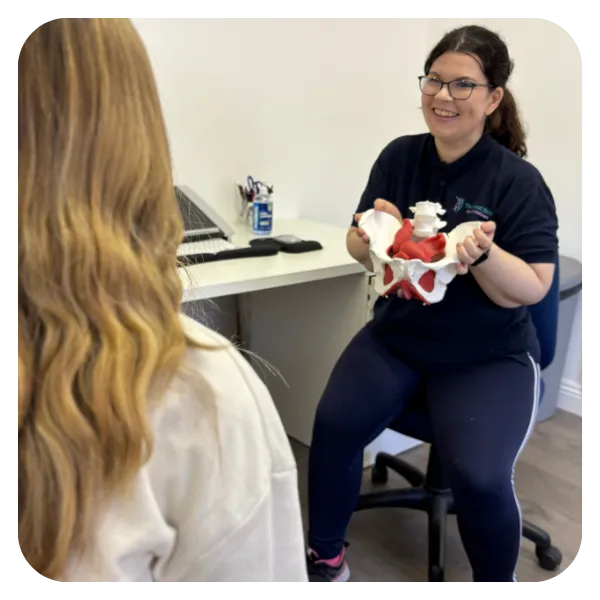
How I can help
I provide physiotherapy for women in midlife, helping you to:
understand what’s causing your symptoms — whether that’s joint, muscle or pelvic health related
assess how your body is moving and functioning
address both musculoskeletal and pelvic health concerns
take into account the changes happening during perimenopause and after menopause
create a clear, practical plan to help you feel stronger and more comfortable in your body
This approach goes beyond treating a single area, and instead looks at how the changes during menopause are affecting your body as a whole.
Initial Physiotherapy Assessment
Your first session is about understanding what’s happening in your body and what’s contributing to your symptoms.
We’ll start by talking through your symptoms, your history, and how things have been affecting you day to day.
From there, we’ll assess how your body is moving, your strength, and how everything is functioning — looking at the areas that are most relevant to you.
If you’re experiencing pelvic health symptoms, this may also include a more specific assessment of the pelvic floor. This is always discussed with you first and is only done if appropriate and you’re comfortable.
We’ll also look at any wider factors that may be influencing how you feel, such as activity levels, recovery, and day-to-day habits.
By the end of the session, you’ll have a clear understanding of what’s going on and a practical plan to help you move forward.

Want to understand more?
Choose the appointment that fits your main concern
Pelvic Health Physiotherapy Assessment
For leaking, prolapse, pelvic pain or other pelvic health concerns.
This appointment is suitable if you’re experiencing changes in bladder or bowel control, a feeling of heaviness or discomfort, or symptoms affecting intimacy.
We’ll take the time to understand what’s happening and put together a clear plan to help improve your symptoms.
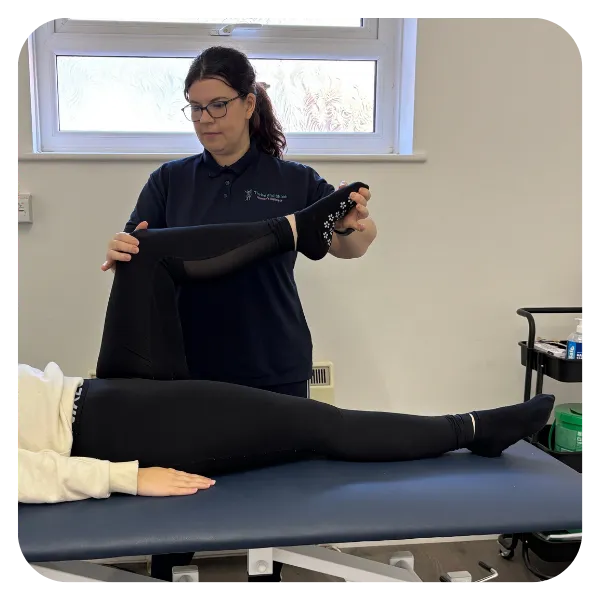
Physiotherapy Assessment (Pain, Stiffness & Movement)
For joint, muscle or tendon pain, stiffness, reduced strength, balance changes or anything affecting how your body moves and feels.
This appointment is suitable if your body feels more achy, stiff or less reliable than it used to, or if movement and activity feel harder than they should.
We’ll assess what’s contributing to your symptoms and create a practical plan to help you move more comfortably and confidently.
If you’re not sure which to choose, just go with the one that feels closest to your main concern — we’ll guide you from there.
If you’d prefer to check first, you’re always welcome to get in touch and I can point you in the right direction.
Ready to Take the Next Step?
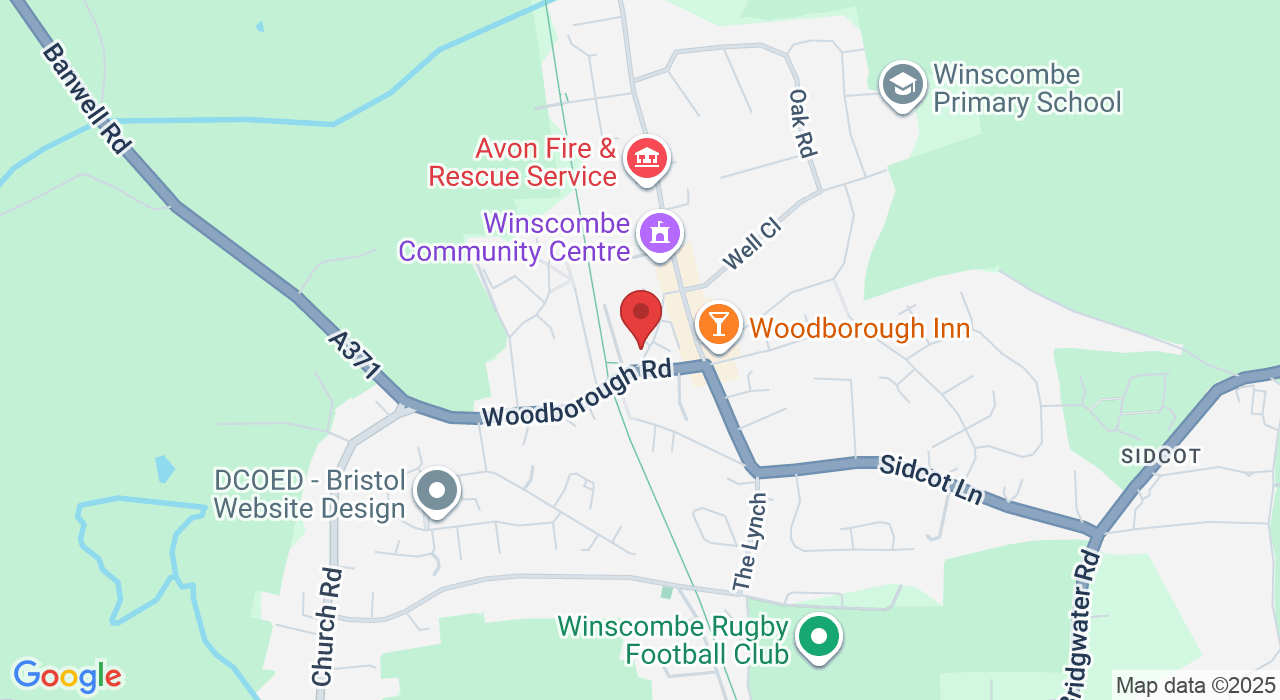
Based in Winscombe, supporting women across North Somerset with physiotherapy for menopause-related symptoms.
If you’re recognising yourself in this, the next step is to understand what’s going on in your body and what will help.
Book your assessment and we’ll take it from there.
Stay Connected
Join our community for women’s health tips, clinic updates, and early access to workshops and courses.
Get in Touch
Thrive and Shine Women's Wellness Studio
Corner House
Woodborough Road
Winscombe
BS25 1AQ
07862620259


Thrive and Shine Women’s Wellness provides physiotherapy for women, including support during menopause and midlife, helping with pelvic health, joint pain, stiffness and movement changes. Based in Winscombe, supporting clients across Weston-super-Mare, Cheddar, Axbridge and North Somerset.
Also offering pregnancy and postnatal support, Pilates, and remedial hypnosis (CONTROL Method).
© Copyright 2026. Thrive and Shine Women's Wellness. All rights reserved.