
Free Resources
Free guides and resources
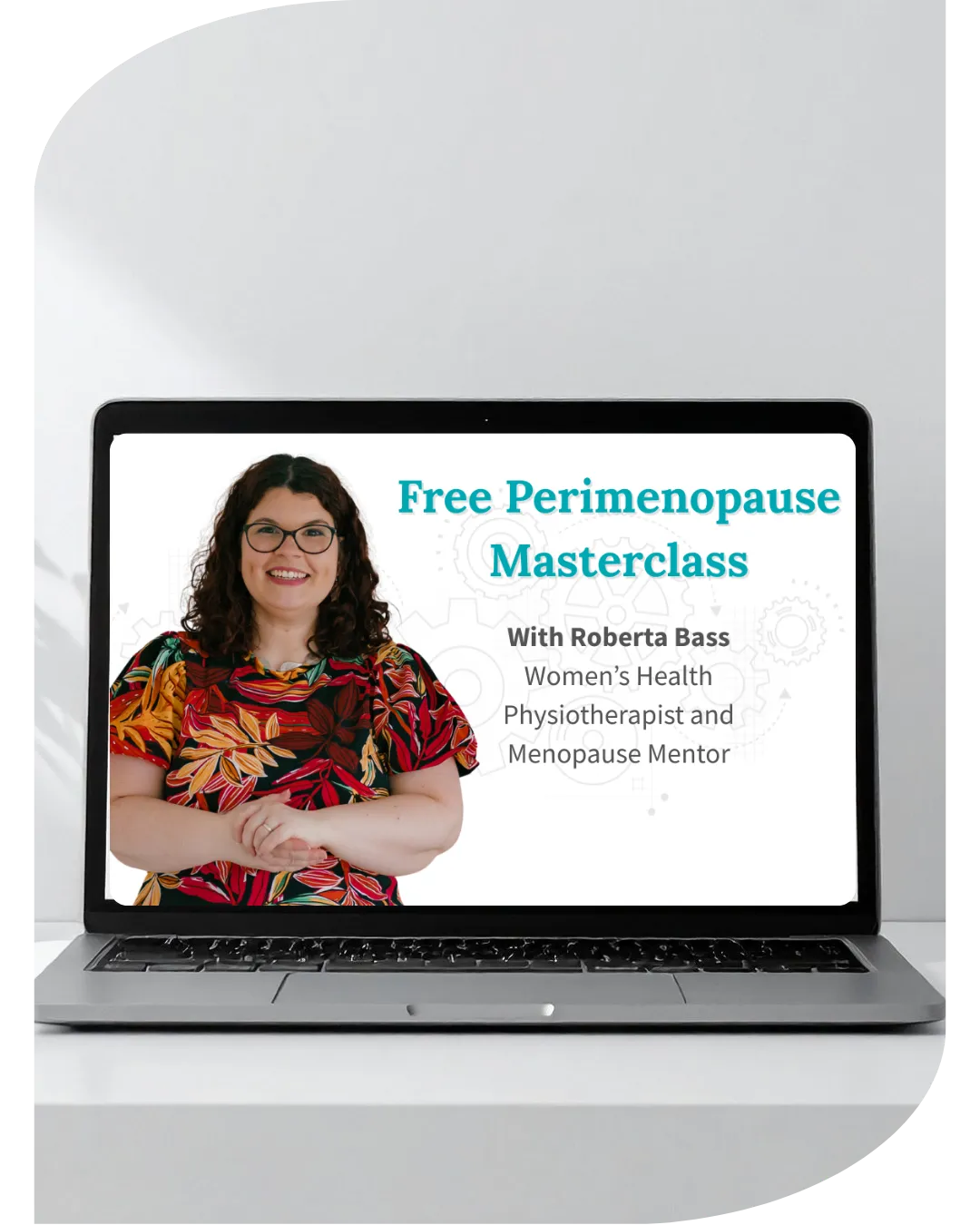
Add Subtext text. Click "Edit Text" to update the font, size and more.
To change and reuse text themes, go to Site Styles.
Add Subtext text. Click "Edit Text" to update the font, size and more.
To change and reuse text themes, go to Site Styles.
Add Subtext text. Click "Edit Text" to update the font, size and more.
To change and reuse text themes, go to Site Styles.

Add Subtext text. Click "Edit Text" to update the font, size and more.
To change and reuse text themes, go to Site Styles.
Add Subtext text. Click "Edit Text" to update the font, size and more.
To change and reuse text themes, go to Site Styles.
Add Subtext text. Click "Edit Text" to update the font, size and more.
To change and reuse text themes, go to Site Styles.
Making Sense of Menopause Podcast
Blog

How Alcohol Affects Menopause Symptoms — and What to Do Instead
For many women navigating perimenopause and menopause, alcohol has become a routine coping strategy — a way to decompress at the end of a demanding day. While this is understandable, the evidence consistently shows that regular alcohol consumption worsens several of the most common and disruptive menopause symptoms. Understanding why this happens is the first step to making informed choices about alcohol use during this stage of life.
Why Alcohol Worsens Menopause Symptoms
The Effect on Hot Flushes
Alcohol is a vasodilator, meaning it causes blood vessels to widen and raises core body temperature. For women who are already experiencing vasomotor instability — the underlying mechanism behind hot flushes and night sweats — alcohol directly triggers and intensifies these episodes. Even moderate consumption can increase the frequency and severity of hot flushes, both in the short term and over time if intake is regular.
The Effect on Sleep
Alcohol is widely misunderstood as a sleep aid. While it can reduce the time taken to fall asleep, it significantly disrupts sleep architecture — the pattern of sleep stages the body moves through during the night. Specifically, alcohol suppresses REM sleep and causes more frequent waking in the second half of the night, resulting in sleep that is lighter and less restorative.
During perimenopause and menopause, sleep is already compromised by night sweats, anxiety and hormonal fluctuation. Alcohol compounds these difficulties and contributes to the cumulative sleep deprivation that worsens brain fog, mood dysregulation and fatigue — all common menopause symptoms.
The Effect on Anxiety
Although alcohol produces an initial sedative effect, it disrupts the balance of neurotransmitters in the brain, leading to a rebound increase in anxiety — often referred to as 'hangxiety' — in the hours and days following consumption. For women already experiencing heightened anxiety as a result of hormonal changes during perimenopause, this rebound effect can be particularly pronounced and difficult to manage.
The Effect on Brain Fog
Cognitive symptoms such as difficulty concentrating, memory lapses and mental fatigue are frequently reported during perimenopause and menopause. Alcohol worsens these symptoms both directly — through its sedative effect on the central nervous system — and indirectly, by degrading sleep quality. Even small amounts of alcohol can have a measurable impact on cognitive function the following day.
Understanding Alcohol as a Coping Strategy
It is important to recognise that alcohol use during menopause is rarely a sign of dependency. More commonly, it represents an attempt to manage legitimate and often undertreated symptoms: chronic stress, disrupted sleep, anxiety and the absence of adequate time for rest and recovery.
Identifying what function alcohol is serving — whether that is relaxation, social connection, a signal to wind down, or a sleep aid — makes it possible to find more effective alternatives that do not carry the same symptomatic costs.
Practical Alternatives to Alcohol for Symptom Management
For Relaxation and Stress Reduction
Physical activity — particularly yoga, Pilates and walking — activates the parasympathetic nervous system and produces a sustained reduction in stress hormones. Unlike alcohol, these activities improve rather than disrupt sleep quality, and regular practice has been shown to reduce the frequency of hot flushes. Breathwork, meditation and progressive muscle relaxation are also evidence-supported tools for nervous system regulation.
For Sleep
Addressing sleep difficulties directly is more effective than relying on alcohol as a sedative. Key strategies include maintaining consistent sleep and wake times, reducing screen exposure in the two hours before bed to support melatonin production, and using a structured wind-down routine that may include journalling, meditation or guided relaxation. For women whose sleep is significantly disrupted by night sweats or anxiety, it is worth discussing medical and lifestyle options with a healthcare professional.
Reducing Intake Without Eliminating It
Complete abstinence is not necessary for symptom improvement. Modest, targeted reductions in alcohol intake can have a meaningful impact. Practical approaches include:
•Choosing one type of alcoholic drink rather than combining multiple
•Diluting drinks with mixer to reduce overall alcohol content
•Incorporating 0% alcohol alternatives on some evenings to maintain social rituals without the physiological effects
•Limiting consumption to two or three days per week rather than daily
Women who notice that they feel anxious at the prospect of reducing their alcohol intake, or who feel they cannot get through a day without drinking, are encouraged to seek support from their GP or a relevant specialist.
When to Seek Further Support
Menopause symptoms that are affecting quality of life, work performance or daily functioning warrant professional assessment. A women's health physiotherapist with expertise in menopause can provide a comprehensive review of lifestyle factors — including alcohol — as part of a broader symptom management plan. Medical options, including hormone replacement therapy, may also be appropriate and should be discussed with a GP or menopause specialist.
For further information on managing menopause symptoms through lifestyle, the free menopause masterclass available via this link provides a structured introduction to perimenopause, common symptoms and evidence-based approaches to improving wellbeing.
And if you want to hear me talk through all of this in more detail, including the client stories behind it, have a listen to the podcast episode. 🎙️

Stay Connected
Join our community for women’s health tips, clinic updates, and early access to workshops and courses.
Get in Touch
Thrive and Shine Women's Wellness Studio
Corner House
Woodborough Road
Winscombe
BS25 1AQ
07862620259


Thrive and Shine Women’s Wellness provides physiotherapy for women, including support during menopause and midlife, helping with pelvic health, joint pain, stiffness and movement changes. Based in Winscombe, supporting clients across Weston-super-Mare, Cheddar, Axbridge and North Somerset.
Also offering pregnancy and postnatal support, Pilates, and remedial hypnosis (CONTROL Method).
© Copyright 2026. Thrive and Shine Women's Wellness. All rights reserved.