
Thrive and Shine Women's Wellness
Obstetric Tears Physiotherapy in North Somerset
Specialist women’s health physiotherapy support for perineal tears and stitches after childbirth
What are obstetric (perineal) tears?
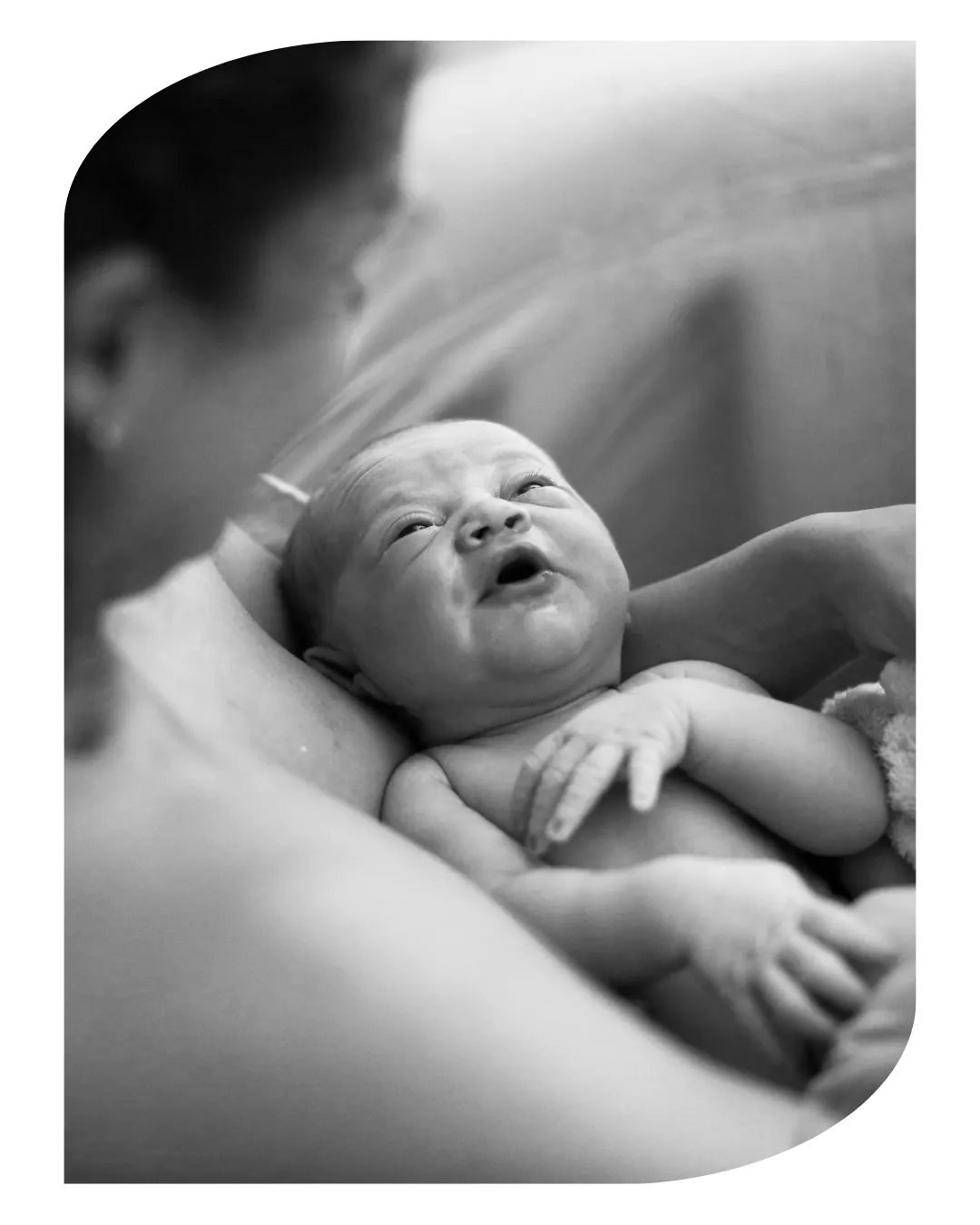
Obstetric tears, often referred to as perineal tears, are injuries to the perineum (the area between the vagina and anus) that can occur during vaginal birth. These tears may happen naturally or as part of an episiotomy, and many require stitches after birth. Tears vary in severity and are commonly classified from first-degree to fourth-degree, depending on the tissues involved.
While many perineal tears heal well, some women experience ongoing symptoms such as pain, sensitivity, pelvic floor changes, or discomfort with everyday activities, long after the initial healing period.
Common symptoms following perineal tears
Symptoms following perineal tears can vary and may include one or more of the following:
Perineal pain or discomfort
Scar tightness, pulling, or sensitivity
Altered sensation, including numbness or heightened sensitivity
Pain during intercourse or difficulty with penetration
Pelvic floor weakness or reduced control
Bladder or bowel control symptoms
Ongoing discomfort with sitting, walking, or daily activities
Fear or anxiety around intimacy, pelvic examinations, or returning to exercise
How physiotherapy can help following perineal tears
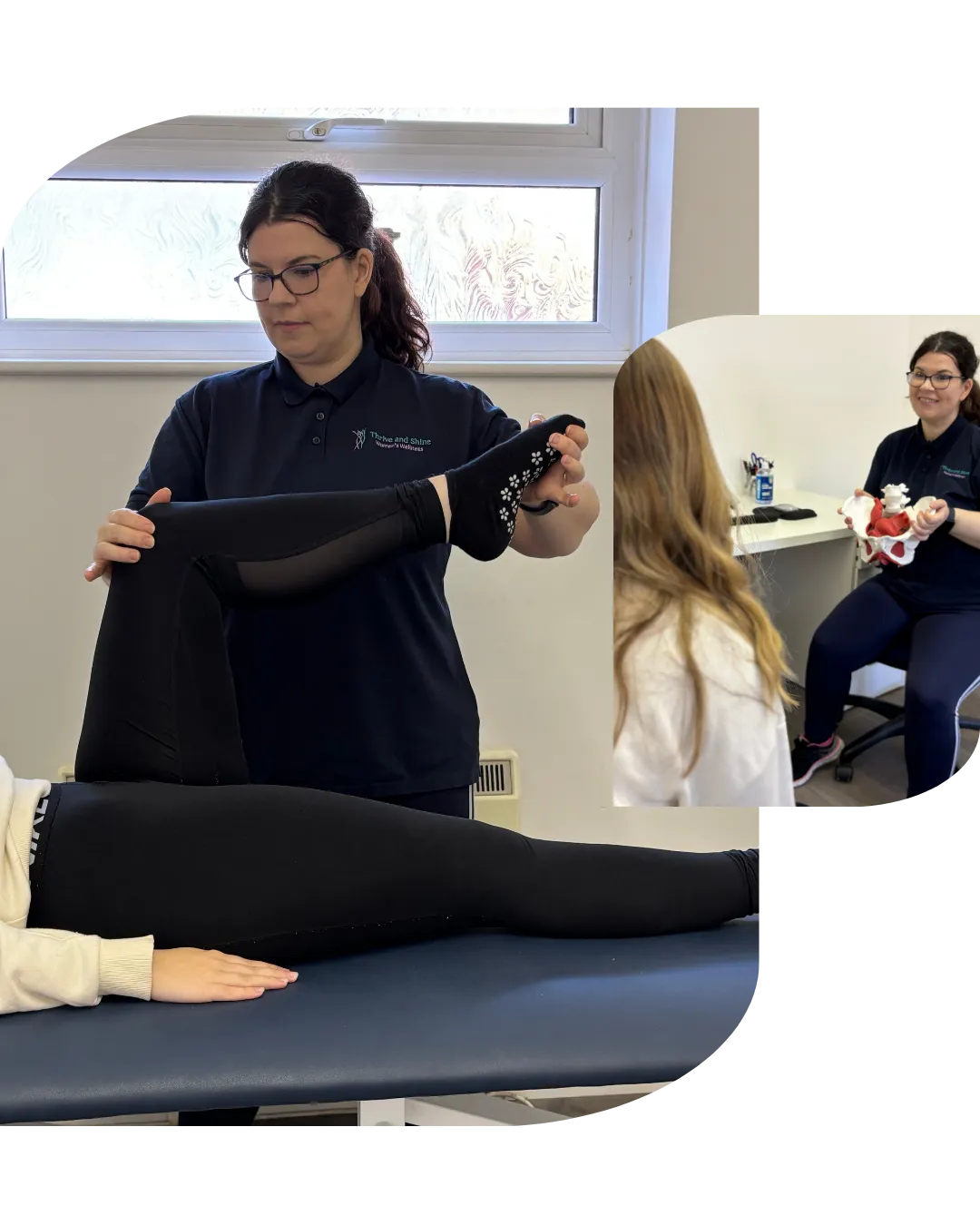
Women’s health physiotherapy following perineal tears focuses on supporting recovery of the perineum, pelvic floor, and surrounding structures, while also addressing the wider physical and functional impact of childbirth.
Physiotherapy support may include:
Assessment of scar healing, mobility, and sensitivity
Hands-on treatment to address scar and surrounding soft tissue restriction
Pelvic floor assessment and rehabilitation
Support to improve pelvic floor strength, coordination, or relaxation
Guidance with managing pain, sensitivity, or discomfort
Treatment of related musculoskeletal issues, such as pelvic, hip, or back pain
Movement-based rehabilitation and graded return to activity
Support with confidence around movement, exercise, and intimacy
Consideration of wider recovery factors such as stress, sleep, and fatigue
Support is always tailored to the individual, based on symptoms, contributing factors, and personal goals.
When to seek support
If you have experienced a third-degree or fourth-degree tear, it is strongly recommended to have a physiotherapy assessment, even if you feel you are coping well. These tears involve deeper tissues and benefit from specialist assessment to support recovery and pelvic floor function.
If you have had a first- or second-degree tear, physiotherapy can still be helpful, particularly if you are experiencing symptoms such as pain, sensitivity, bladder or bowel changes, or discomfort with movement or intercourse.
Even if you are not currently experiencing symptoms, many women find it reassuring to have a postnatal check following any perineal tear. An assessment can help identify any areas that may benefit from support and provide guidance for recovery, confidence, and return to activity.
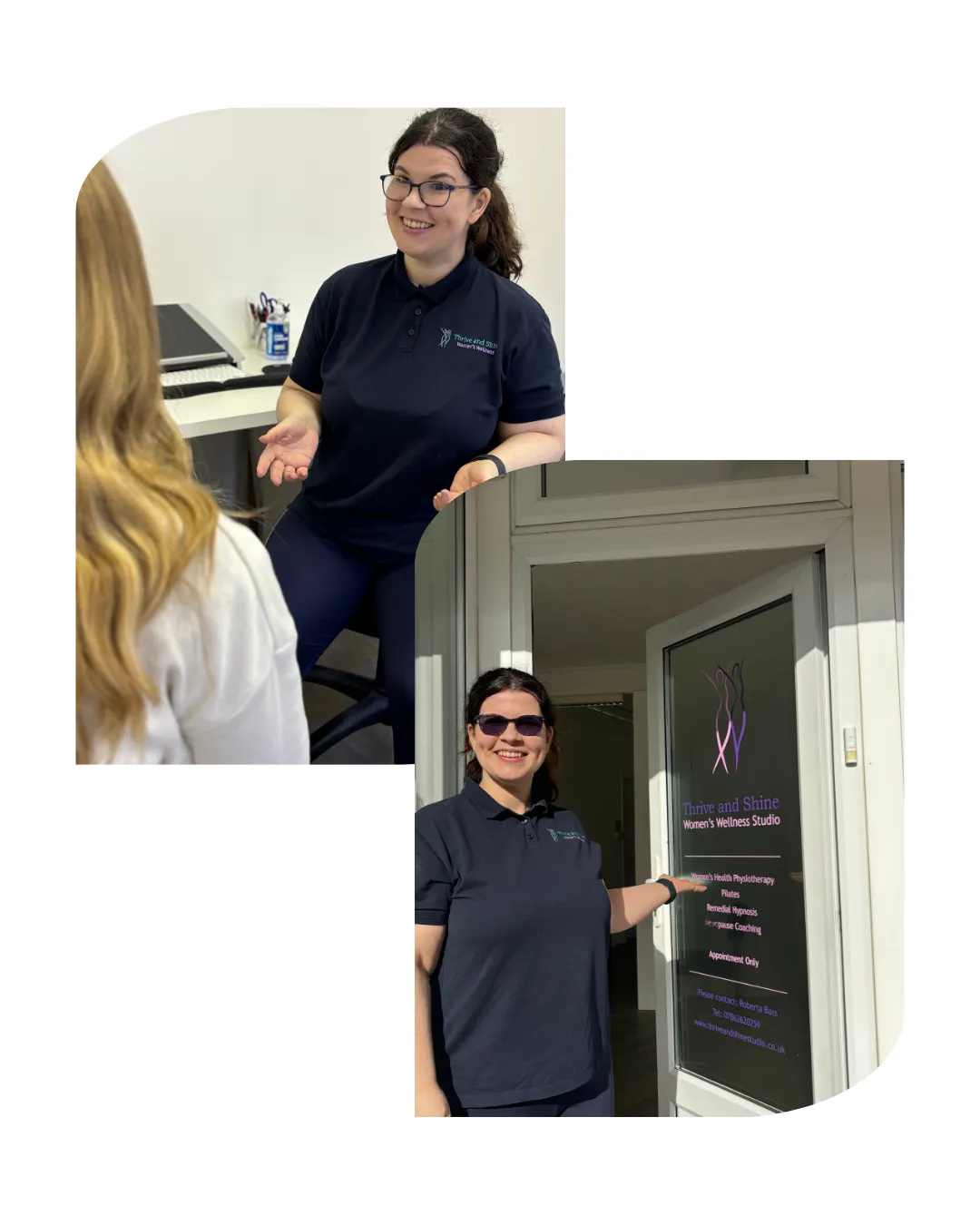
Appointments take place at the clinic in Winscombe, supporting women across North Somerset.
Book an appointment
If you have experienced a perineal tear during childbirth, a women’s health physiotherapy appointment offers the opportunity to check healing, discuss any concerns, and receive guidance to support recovery and confidence moving forward.
Many women choose to book an assessment whether they are experiencing symptoms or simply want reassurance and advice as they return to everyday activities, exercise, and intimacy.
If you’re unsure whether this is the right appointment for you, you’re welcome to get in touch to discuss your options.
Stay Connected
Join our community for women’s health tips, clinic updates, and early access to workshops and courses.
Get in Touch
Thrive and Shine Women's Wellness Studio
Corner House
Woodborough Road
Winscombe
BS25 1AQ
07862620259


Thrive and Shine Women’s Wellness provides physiotherapy for women, including support during menopause and midlife, helping with pelvic health, joint pain, stiffness and movement changes. Based in Winscombe, supporting clients across Weston-super-Mare, Cheddar, Axbridge and North Somerset.
Also offering pregnancy and postnatal support, Pilates, and remedial hypnosis (CONTROL Method).
© Copyright 2026. Thrive and Shine Women's Wellness. All rights reserved.