
Free Resources
Free guides and resources
Add Subtext text. Click "Edit Text" to update the font, size and more.
To change and reuse text themes, go to Site Styles.
Add Subtext text. Click "Edit Text" to update the font, size and more.
To change and reuse text themes, go to Site Styles.

Add Subtext text. Click "Edit Text" to update the font, size and more.
To change and reuse text themes, go to Site Styles.

Add Subtext text. Click "Edit Text" to update the font, size and more.
To change and reuse text themes, go to Site Styles.
Add Subtext text. Click "Edit Text" to update the font, size and more.
To change and reuse text themes, go to Site Styles.
Add Subtext text. Click "Edit Text" to update the font, size and more.
To change and reuse text themes, go to Site Styles.
Making Sense of Menopause Podcast
Blog
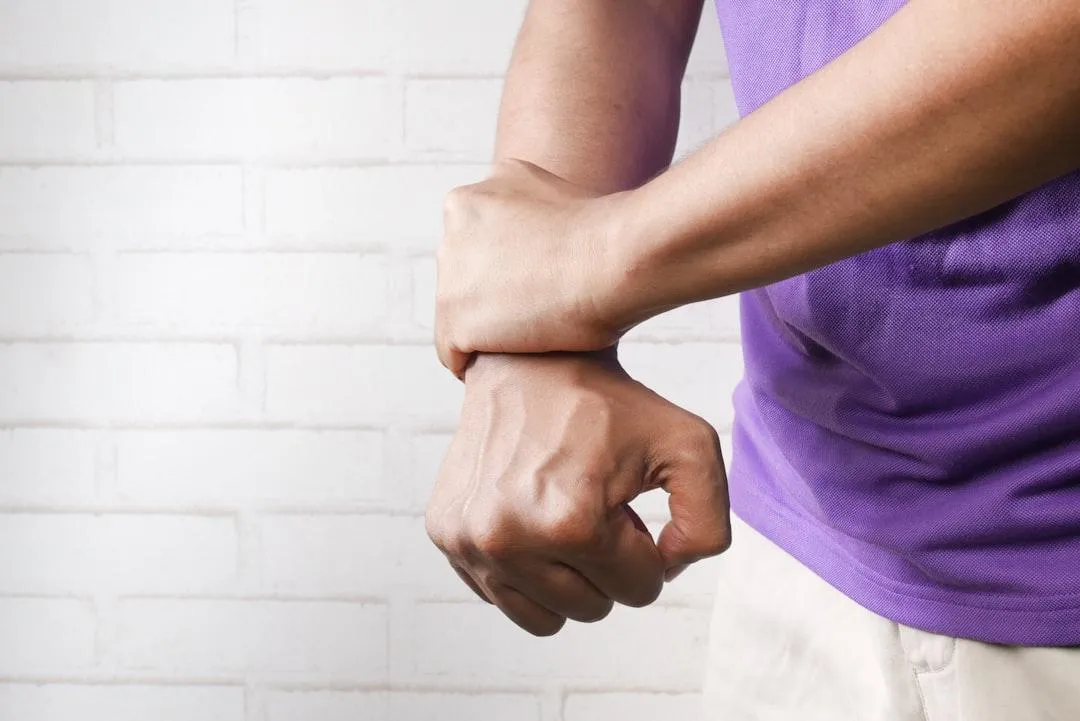
Menopause and Joint Pain: Causes, Affected Areas and Evidence-Based Management
Joint pain and musculoskeletal stiffness are among the most frequently reported — and most frequently misattributed — symptoms of perimenopause and menopause. Many women spend months or years seeking treatment for individual joints without the underlying hormonal cause being identified or addressed. Understanding the physiological mechanisms behind menopausal joint pain is essential for effective management.
Why Oestrogen Decline Causes Joint Pain
Oestrogen plays a significant anti-inflammatory role throughout the body. It functions in a similar way to non-steroidal anti-inflammatory drugs (NSAIDs) such as ibuprofen, helping to regulate the body's inflammatory response and manage the minor tissue damage that accumulates through daily activity.
During perimenopause, oestrogen levels do not decline steadily — they fluctuate significantly, with periods of relative excess followed by sharp drops. This instability, combined with a progressive decline in progesterone, means the body's natural anti-inflammatory regulation becomes unreliable. As oestrogen levels fall, systemic inflammation increases, and the musculoskeletal system bears a significant part of that burden.
Structural Changes in Connective Tissue
Beyond its anti-inflammatory function, oestrogen plays a key role in collagen metabolism. Collagen is the primary structural protein in connective tissue, including tendons, ligaments, cartilage and skin. As oestrogen declines, collagen turnover slows and its structural composition changes, resulting in connective tissue that is stiffer, less elastic and more vulnerable to injury.
Simultaneously, the synovial fluid that lubricates joints decreases in volume and quality, reducing the smooth movement of joint surfaces. Muscles, which provide active stability to joints, also lose mass and strength over time — a process accelerated by the hormonal changes of menopause. The combined effect is a musculoskeletal system that is stiffer, less well-supported and more prone to pain and injury than it was prior to the perimenopause transition.
Which Areas Are Most Commonly Affected?
Tendons are particularly vulnerable during perimenopause and postmenopause, especially those subject to repetitive load. The most commonly affected sites include:
•Shoulder — rotator cuff tendinopathy, causing pain with overhead movements and at night
•Hip — Greater Trochanteric Pain Syndrome (GTPS), presenting as pain on the outer hip, often worse when lying on the affected side or walking
•Heel and foot — Achilles tendinopathy and plantar fasciitis, both involving the connective tissue structures of the lower limb
•Elbow — lateral epicondylalgia (tennis elbow), affecting the tendons on the outer elbow
•Spine — particularly the lower back and sacroiliac region, often presenting as morning stiffness
Morning stiffness lasting more than 30 minutes — particularly when affecting multiple joints or presenting symmetrically in the hands and wrists — warrants investigation to rule out inflammatory arthritis conditions such as rheumatoid arthritis. A blood test including rheumatoid factor and inflammatory markers (CRP, ESR) is the appropriate first step. However, in perimenopausal and postmenopausal women, hormonal factors should always be considered alongside other potential causes.
The Role of Sleep Disruption in Musculoskeletal Pain
Sleep is the primary period during which the body repairs tissue damage accumulated through daily activity. During perimenopause, sleep is frequently disrupted by night sweats, anxiety, restless legs and insomnia. When sleep quality is poor, this overnight repair process is compromised.
Minor musculoskeletal injuries that would ordinarily resolve during sleep instead accumulate, contributing to the development of tendinopathy and chronic joint pain. This creates a feedback loop: pain disrupts sleep further, and poor sleep worsens pain. Addressing sleep quality is therefore an important component of any management plan for menopausal joint pain — not a secondary consideration.
Evidence-Based Management Approaches
Exercise
Resistance exercise is the single most effective lifestyle intervention for menopausal musculoskeletal symptoms. It rebuilds muscle mass and strength, improving the active stability of joints and reducing the load on passive structures such as tendons and ligaments. Evidence also supports resistance training as a means of reducing the frequency of vasomotor symptoms (hot flushes and night sweats), making it a particularly valuable intervention during this life stage.
A comprehensive exercise programme for menopausal joint pain should include:
•Progressive resistance training — using weights, resistance bands or bodyweight
•Flexibility and mobility work — including stretching and Pilates-based exercise
•Balance and proprioception training — to improve joint stability and reduce injury risk
Exercise recommendations should be individualised based on the specific joints affected and the woman's baseline fitness and capacity. A physiotherapy assessment can identify which exercises are most appropriate and ensure they are performed safely and effectively.
Hydration
Adequate hydration is necessary for the maintenance of synovial fluid volume and the lubrication of connective tissue. Chronic mild dehydration — which is common and often unrecognised — contributes to joint stiffness and impairs the body's capacity for tissue repair. A consistent daily fluid intake of at least 1.5 to 2 litres is recommended, with higher intake required in warmer conditions or during physical activity.
Diet and Nutrition
An anti-inflammatory dietary pattern can reduce systemic inflammation and support musculoskeletal health. Key principles include:
•Adequate protein intake — essential for muscle repair and synthesis
•Healthy fats — particularly omega-3 fatty acids, which have direct anti-inflammatory effects
•High-fibre carbohydrates — to support gut health and reduce inflammatory markers
•Reduction of pro-inflammatory foods — including refined sugars, alcohol and highly processed foods
Some women report that certain foods — including citrus fruits — aggravate joint symptoms, though the evidence for specific dietary triggers varies between individuals.
Load Management
For women with physically demanding jobs or repetitive occupational tasks, load management is an important component of rehabilitation. This may involve modifying movement patterns, incorporating regular rest breaks, adjusting workstation ergonomics or temporarily reducing the volume of a specific aggravating activity. The goal is to reduce load on the affected structure sufficiently to allow tissue adaptation and recovery, without complete immobilisation.
Sleep Optimisation
Improving sleep quality is an important and often underutilised component of managing menopausal joint pain. Strategies include establishing consistent sleep and wake times, optimising the sleep environment (temperature, darkness, noise), reducing screen use before bed, and addressing night sweats through appropriate clothing and bedding. Where sleep apnoea is suspected — indicated by heavy snoring or observed episodes of stopped breathing — referral for investigation is appropriate.
The Importance of a Whole-Person Assessment
Treating individual joints in isolation, without considering the hormonal context, frequently produces limited and short-lived results. A physiotherapist with specialist knowledge of menopause is better placed to identify the underlying drivers of musculoskeletal symptoms and address them within a comprehensive management plan — one that considers exercise, sleep, nutrition, load management and, where appropriate, medical options including hormone replacement therapy.
Women who have been struggling with persistent joint pain that has not responded to standard physiotherapy treatment are encouraged to seek assessment from a menopause-aware clinician. Online and in-person appointments are available via this link.
If this resonates with you, have a listen to the podcast episode where I go through all of this in detail. 🎙️

Stay Connected
Join our community for women’s health tips, clinic updates, and early access to workshops and courses.
Get in Touch
Thrive and Shine Women's Wellness Studio
Corner House
Woodborough Road
Winscombe
BS25 1AQ
07862620259


Thrive and Shine Women’s Wellness provides physiotherapy for women, including support during menopause and midlife, helping with pelvic health, joint pain, stiffness and movement changes. Based in Winscombe, supporting clients across Weston-super-Mare, Cheddar, Axbridge and North Somerset.
Also offering pregnancy and postnatal support, Pilates, and remedial hypnosis (CONTROL Method).
© Copyright 2026. Thrive and Shine Women's Wellness. All rights reserved.