
Free Resources
Free guides and resources
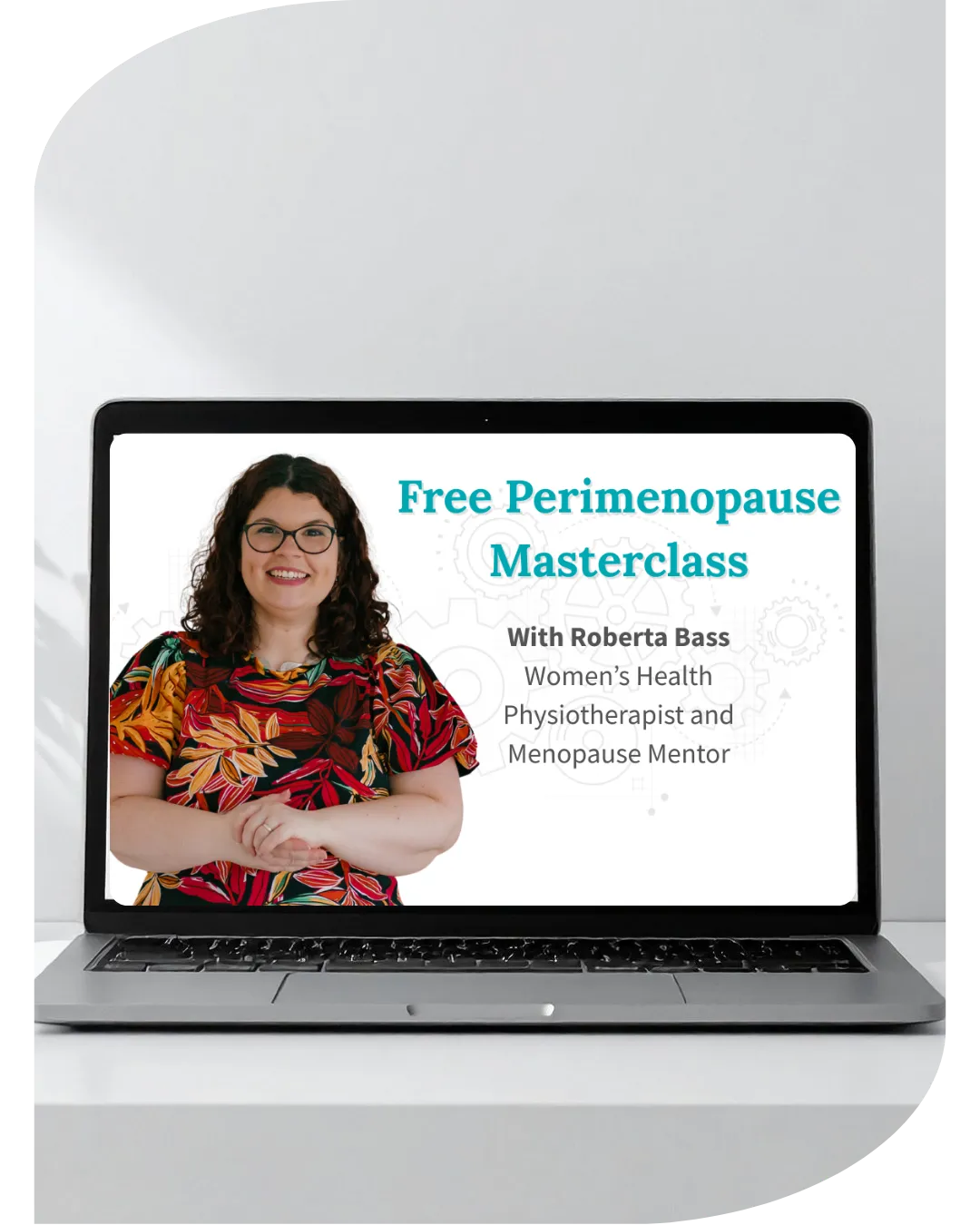
Add Subtext text. Click "Edit Text" to update the font, size and more.
To change and reuse text themes, go to Site Styles.
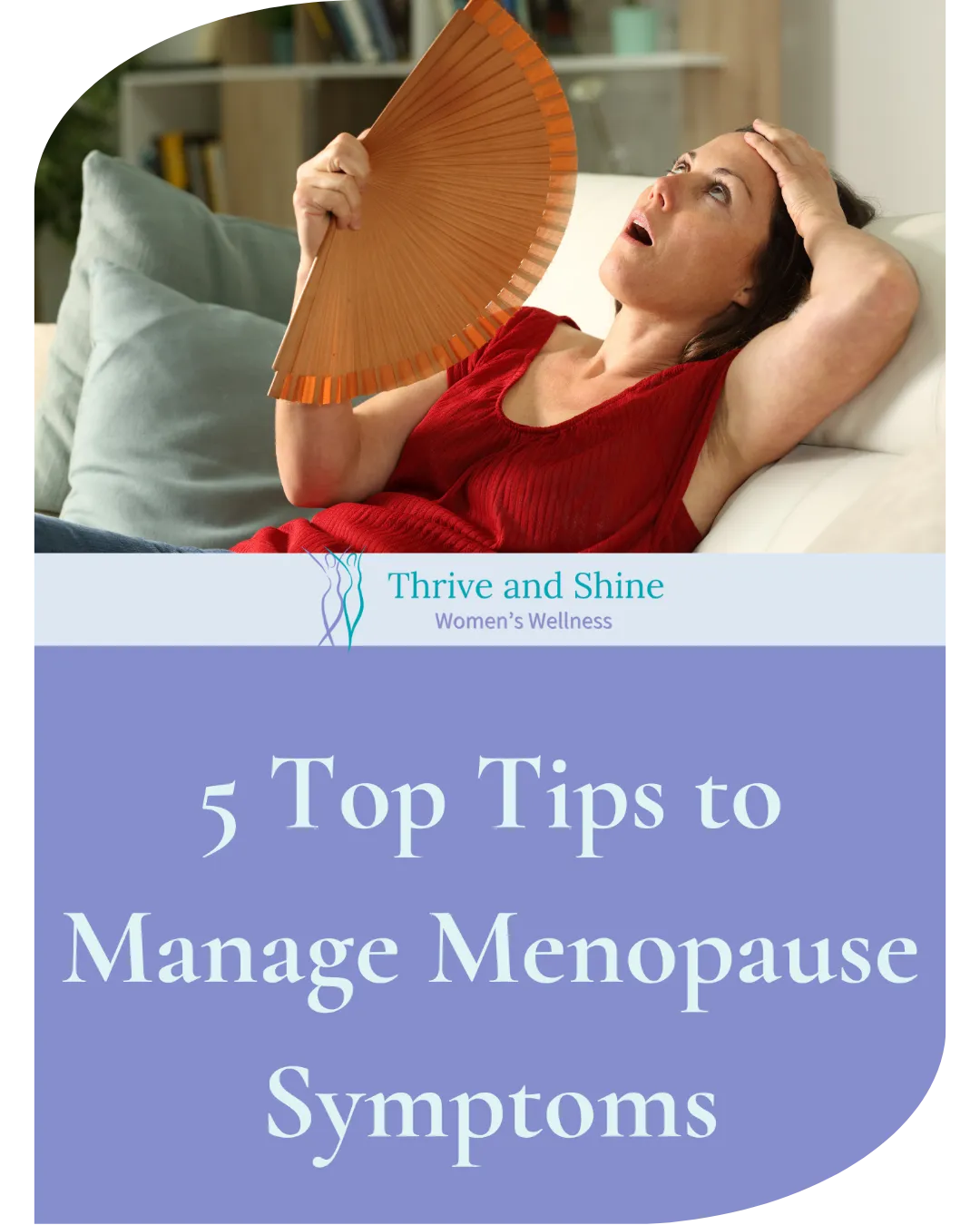
Add Subtext text. Click "Edit Text" to update the font, size and more.
To change and reuse text themes, go to Site Styles.
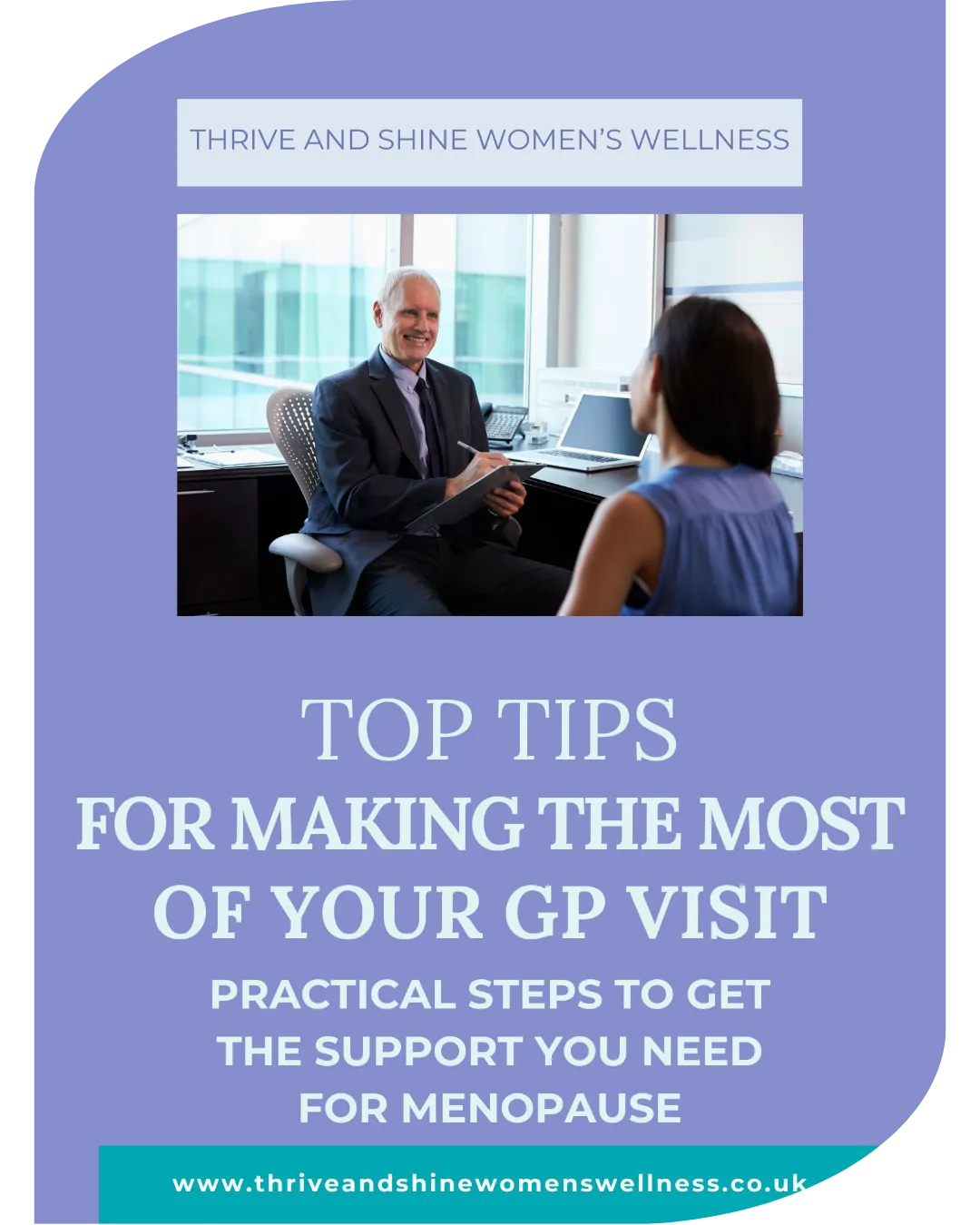
Add Subtext text. Click "Edit Text" to update the font, size and more.
To change and reuse text themes, go to Site Styles.

Add Subtext text. Click "Edit Text" to update the font, size and more.
To change and reuse text themes, go to Site Styles.
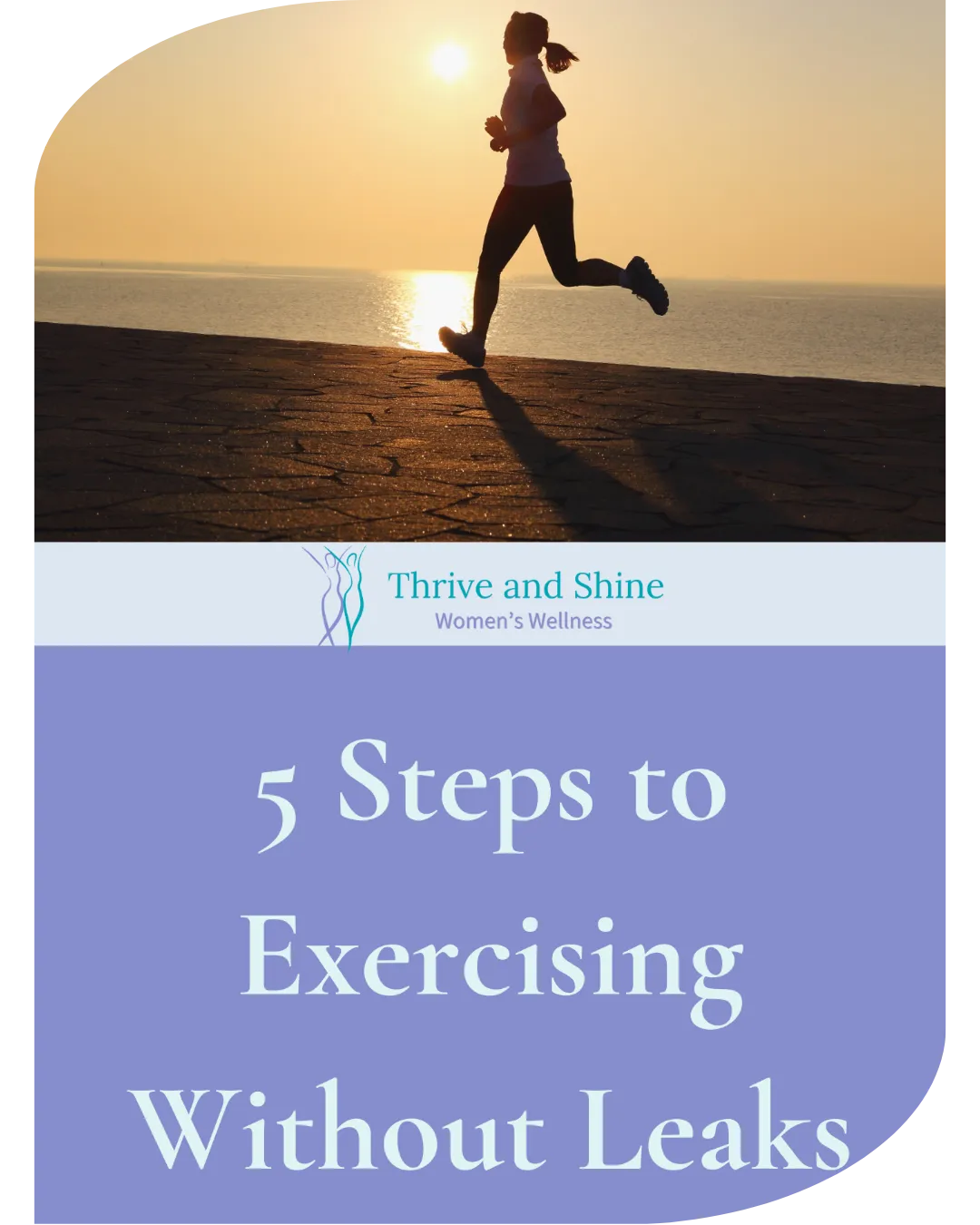
Add Subtext text. Click "Edit Text" to update the font, size and more.
To change and reuse text themes, go to Site Styles.

Add Subtext text. Click "Edit Text" to update the font, size and more.
To change and reuse text themes, go to Site Styles.
Making Sense of Menopause Podcast
Blog

Menopause and Work: Managing Symptoms in the Workplace and Knowing Your Rights
Menopause and Work: Managing Symptoms in the Workplace and Knowing Your Rights
Menopause symptoms do not confine themselves to personal or home life. For the majority of women, perimenopause and menopause occur during the most demanding decades of their working lives — and the symptoms can have a significant impact on professional performance, confidence and wellbeing. Brain fog, fatigue, anxiety, joint pain, hot flushes and disrupted sleep are not compatible with sustained high performance without adequate support and adjustment.
Understanding the relationship between workplace stress and menopause symptoms, what adjustments women are entitled to request, and which self-management strategies are most effective can make a meaningful difference to how women experience this transition at work.
How Menopause Symptoms Affect Work Performance
The symptoms most commonly reported to affect work include:
•Cognitive difficulties — poor concentration, memory lapses and slowed processing speed, collectively described as 'brain fog'
•Fatigue — resulting from disrupted sleep, hormonal fluctuation and the physiological demands of managing symptoms
•Anxiety and low mood — which can affect decision-making, interpersonal relationships and confidence
•Hot flushes — which are unpredictable, visible and can cause significant distress in professional settings
•Joint pain — which affects women in both sedentary and physically demanding roles
Critically, stress and menopause symptoms operate in a bidirectional relationship. Workplace stress exacerbates vasomotor symptoms such as hot flushes, increases anxiety and worsens sleep disruption. In turn, worsening symptoms reduce a woman's capacity to manage workplace demands, creating a cycle that, without intervention, tends to escalate.
Research indicates that a significant proportion of women reduce their working hours, decline promotions or leave employment altogether as a result of unmanaged menopause symptoms. This represents a considerable loss — to the individual, to employers and to the wider workforce.
Menopause and UK Workplace Rights
Until recently, menopause was largely absent from workplace wellbeing and equality frameworks. This is beginning to change. Updated UK guidance now encourages employers to recognise menopause within their equality, diversity and inclusion policies — the same frameworks that require reasonable adjustments for employees with disabilities or chronic health conditions.
Given that perimenopause and menopause affect all women — representing approximately 50% of the workforce — the case for systematic support is clear. Reasonable adjustments that employers may be asked to consider include:
•Flexible working arrangements — adjusted start and finish times, compressed hours or remote working options
•Temperature and environmental control — access to fans, ventilation and cool water
•Protected rest breaks — particularly important for women managing fatigue or cognitive symptoms
•Access to welfare facilities — including private spaces for managing symptoms discreetly
•Workplace education — awareness training for line managers and colleagues
•Referral to occupational health or employee assistance programmes
Women who are struggling are encouraged to initiate a conversation with their line manager or HR department. It is not necessary to disclose detailed medical information — a general explanation that health symptoms are affecting work, and a request to discuss adjustments, is sufficient to begin the process.
The Physiological Case for Taking Breaks
One of the most consistently observed patterns in women managing menopause symptoms at work is the tendency to work through breaks rather than take them. This is often driven by a perception that reduced output or visible pauses will be interpreted negatively. The physiological evidence, however, strongly supports the opposite conclusion.
Sustained work without breaks maintains elevated cortisol levels, impairs prefrontal cortex function — which governs concentration, decision-making and emotional regulation — and accelerates mental fatigue. Regular breaks, by contrast, reduce stress hormones, restore attentional capacity and improve the quality of work produced upon return. For women whose cognitive and stress symptoms are already compromised by hormonal changes, this effect is amplified.
Practical break strategies with evidence support include:
•A proper lunch break taken away from the workstation — ideally incorporating a short walk outdoors
•Brief movement breaks every 60 minutes for desk-based workers — standing, stretching or walking to reduce postural load and stimulate circulation
•Controlled breathing exercises lasting 30 to 60 seconds — square breathing (inhale for 4 counts, hold for 4, exhale for 4, rest for 4) has a rapid and measurable effect on the autonomic nervous system
Building Sustainable Habits at Work
Behaviour change research consistently shows that new habits are most reliably established when attached to existing behaviours — a principle known as habit stacking. For women looking to incorporate stress management practices into their working day without adding to their cognitive load, this approach is particularly useful.
Examples include:
•Performing a 60-second breathing exercise immediately after every online meeting ends
•Standing and stretching every time a drink is made or a phone call is taken
•Taking a short walk outside at the same time each day, linked to a fixed daily event such as a lunch break or school run
The goal is not to add a complex new routine but to embed small, low-effort practices into the existing structure of the working day so that they occur consistently without requiring deliberate effort.
Reducing Workplace Stressors Directly
In addition to managing the physiological response to stress, it is worth reviewing the working day to identify and address the specific demands that are most taxing. For women in management roles, this may involve reviewing delegation practices — ensuring that tasks are distributed appropriately rather than concentrated in one person. For women with repetitive or volume-driven workloads, exploring automation, batching or process simplification can meaningfully reduce demand.
Where commuting is a significant contributor to daily stress — particularly in terms of unpredictability, noise or physical discomfort — negotiating a later start time to avoid peak hours, or working from home on some days, can reduce the physiological cost of the working day before it has even begun.
When Professional Support Is Needed
Women whose menopause symptoms are significantly affecting their working life should not delay seeking professional assessment. A women's health physiotherapist with specialist knowledge of menopause can provide a comprehensive evaluation of musculoskeletal, lifestyle and occupational factors, and develop an individualised management plan. Where symptoms are severe, referral to a GP or menopause specialist for discussion of medical treatment options — including hormone replacement therapy — may also be appropriate.
Online and in-person appointments are available via this link for women seeking specialist support. Adjustments to working life, combined with appropriate clinical management of underlying menopause symptoms, can make a substantial and lasting difference to quality of life and professional functioning.

Stay Connected
Join our community for women’s health tips, clinic updates, and early access to workshops and courses.
Get in Touch
Thrive and Shine Women's Wellness Studio
Corner House
Woodborough Road
Winscombe
BS25 1AQ
07862620259


Thrive and Shine Women’s Wellness provides physiotherapy for women, including support during menopause and midlife, helping with pelvic health, joint pain, stiffness and movement changes. Based in Winscombe, supporting clients across Weston-super-Mare, Cheddar, Axbridge and North Somerset.
Also offering pregnancy and postnatal support, Pilates, and remedial hypnosis (CONTROL Method).
© Copyright 2026. Thrive and Shine Women's Wellness. All rights reserved.